
A Comprehensive Review of Survey Platforms in the UK: An In-Depth Comparison
7/9/20262 min read
Introduction to Survey Platforms
In the contemporary landscape, gathering accurate data through surveys has become a pivotal requirement for businesses and researchers alike. In the UK, multiple survey platforms offer a range of functionalities, catering to diverse needs. This article provides a comprehensive review and comparison of the prominent survey options available, examining their features and suitability for various projects.
Key Features of Leading UK Survey Platforms
When evaluating survey platforms, several features stand out as essential. These include user-friendliness, the variety of question types, analysis tools, and customer support. Below is an overview of notable survey platforms:
- SurveyMonkey: Renowned for its simplicity and versatility, SurveyMonkey allows users to create dynamic surveys quickly. With an extensive library of templates and real-time analytics, this platform is ideal for businesses of all sizes.
- Typeform: Typeform distinguishes itself by providing an interactive and engaging survey experience. Its visually appealing format enhances user participation, and the platform offers robust analytics features to help interpret the gathered data.
- Google Forms: Known for its seamless integration with other Google services, Google Forms is a popular choice among educational institutions and small businesses. Its straightforward interface and zero cost make it an attractive option for basic surveying needs.
- Qualtrics: With advanced features tailored for professional and academic use, Qualtrics excels in data analysis and offers extensive customization options for surveys. This platform is particularly beneficial for large-scale research projects.
Comparative Analysis of Survey Platforms
When choosing a survey platform, one should consider the technical capabilities, pricing, and the specific needs of the project. For instance:
SurveyMonkey and Typeform typically offer premium features at a higher cost, suitable for businesses seeking enhanced functionalities. In contrast, Google Forms, which is free, caters to users who might have basic data collection needs without the requirement for advanced analytics.
Qualtrics stands out for its extensive capabilities in handling complex surveys, but it often requires a steeper learning curve, making it less ideal for novice users. Therefore, the choice of a survey platform hinges not just on features but also on the end-user's expertise and the budget allocated for survey purposes.
Conclusion
The choice of survey platforms in the UK varies significantly according to one's specific requirements and anticipated outcomes. Each of the platforms reviewed here has its unique strengths, making it essential for users to evaluate their needs meticulously before selecting. By understanding the functionalities and limitations of these platforms, businesses and researchers can make informed decisions that ultimately lead to better data collection and insightful analysis.
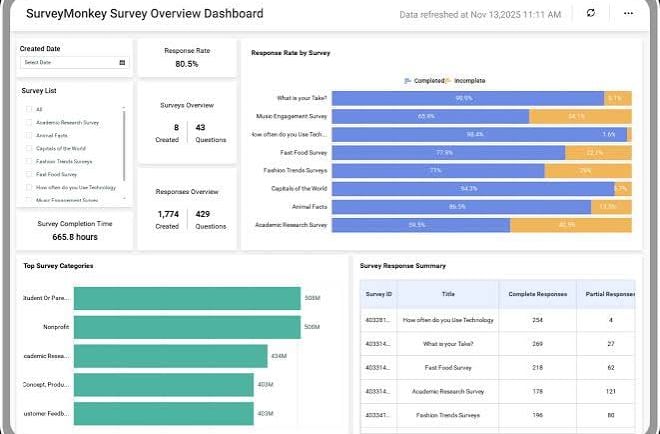
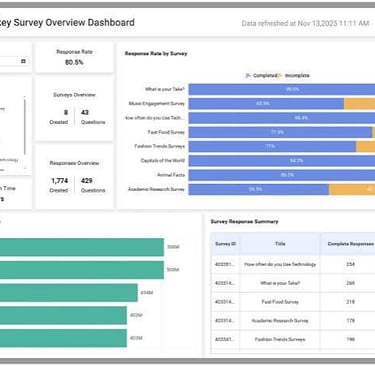
For visuals and additional illustrative data comparisons, refer to the accompanying images below, which highlight user interface differences and key features across the platforms.
The Survey Ledger
Honest math. Real hourly yields. Zero scam fluff.
Pages
Reach out
rufusharlow85@paidsurveys.best
Based in London & New York
We reply to reader questions weekly
© 2026 The Survey Ledger-Independent reviews tracking real hourly side-hustles.
PayPal verified - Honest math